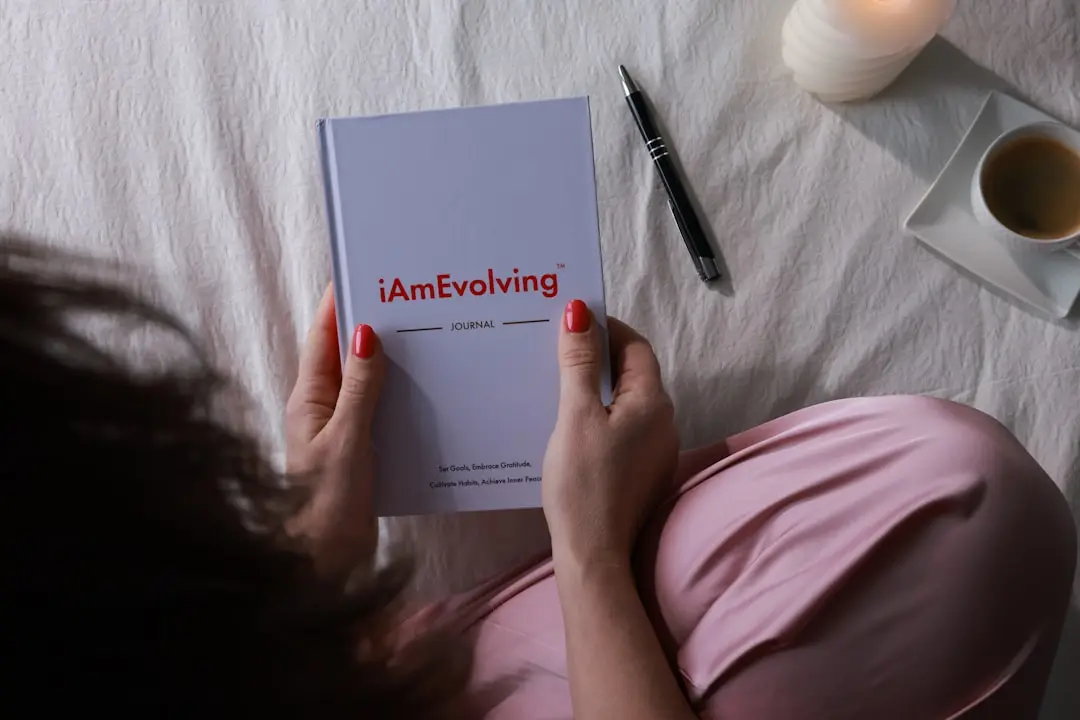
You may appear calm, confident, and successful on the outside, yet internally feel constant pressure and unease. If you are performing at a high level but rarely feel at peace, you may be experiencing high-functioning anxiety.
Unlike traditional anxiety that may visibly interfere with daily life, high-functioning anxiety often hides behind achievement, productivity, and perfectionism. From the outside, you look dependable and driven. On the inside, your mind rarely slows down.
Let’s explore what lies beneath the surface.
What Is High-Functioning Anxiety?
High-functioning anxiety is not an official clinical diagnosis, but it describes a pattern where anxiety fuels performance rather than stopping it.
You might:
-
Overthink simple decisions
-
Constantly prepare for worst-case scenarios
-
Struggle to relax without feeling guilty
-
Fear disappointing others
-
Set extremely high standards for yourself
-
Replay conversations in your mind
-
Feel restless even during success
Instead of freezing under pressure, you push harder. You stay busy. You stay productive. You keep achieving.
But your nervous system never fully rests.
The Hidden Cost of Perfectionism
Perfectionism often looks like ambition, but it is frequently rooted in fear.
High-functioning anxiety can create beliefs such as:
-
If I slow down, I will fall behind.
-
If I am not perfect, I will lose respect.
-
If I don’t stay in control, something will go wrong.
Achievement becomes a coping mechanism. Success temporarily quiets anxiety, but only for a short time. Soon, the pressure returns.
The goalpost keeps moving.
How It Affects the Body
When anxiety is constant, your body remains in a subtle state of stress. Over time, this can show up as:
-
Muscle tension in the neck, jaw, or shoulders
-
Digestive discomfort
-
Difficulty sleeping
-
Fatigue despite being productive
-
Shallow breathing
-
Increased heart rate
Your body may not feel safe, even when your environment is stable.
At Nourish Mind & Body, we recognize that lasting transformation requires supporting both the mind and the nervous system.
Why High Achievers Often Struggle Quietly
Many individuals with high-functioning anxiety learned early in life that performance brought approval, safety, or validation.
You may have been praised for being responsible, strong, or capable. Over time, rest began to feel unfamiliar, even uncomfortable.
When your identity becomes tied to achievement, slowing down can feel threatening.
But growth does not require constant pressure.
Beginning the Shift
Healing from high-functioning anxiety does not mean losing ambition. It means building success from stability rather than fear.
Here are a few foundational shifts:
Build Nervous System Awareness
Notice physical signs of stress. Slow your breathing. Relax your posture. Small moments of regulation create long-term resilience.
Redefine Productivity
Rest is not weakness. Recovery strengthens focus, creativity, and clarity.
Challenge Perfection
Ask yourself whether your effort is driven by excellence or fear. Sustainable progress comes from balance.
Integrate Mind and Body
True wellness comes from aligning mindset, movement, and nutrition. When these areas work together, anxiety begins to lose its grip.
You Are More Than Your Output
High-functioning anxiety often convinces you that your worth is tied to how much you accomplish. Real confidence, however, comes from feeling grounded and secure within yourself.
You do not need to exhaust yourself to prove your value.
At Nourish Mind & Body, we support individuals in building strength from the inside out—integrating mindset, fitness, and sustainable habits that create lasting transformation.
If you are ready to move from constant pressure to balanced performance, your journey can begin here.